


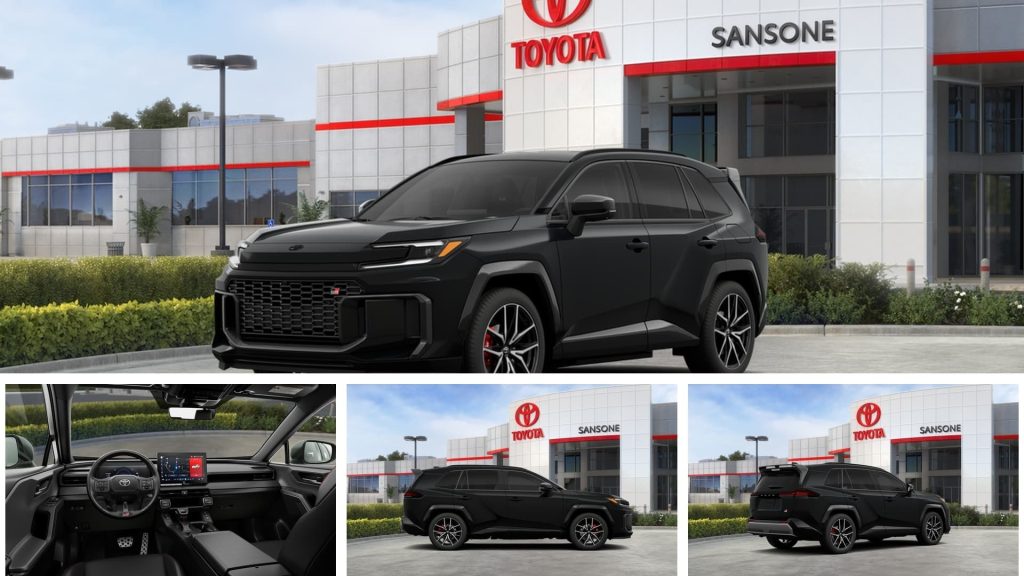
A hybrid car could be the answer if you desire the increased fuel efficiency a hybrid system provides, but you’re not ready to make the full transition to a vehicle powered purely by electricity. To give shoppers plenty of options when it comes to selecting a hybrid powertrain for their specific driving requirements, Toyota is expanding its vast list of 2026 hybrid cars, SUVs, and trucks.
To prepare for what might just become your very first hybrid vehicle, understanding some specifics of hybrid driving, whether charging is necessary, and the system that’s the right match for your commute, family demands, and vehicle usage needs is a good starting place before deciding.
1. How Does a Hybrid Work?
A typical hybrid vehicle has a gasoline engine, and then the electric motor, and a battery. Through the car’s brakes, the battery can be automatically recharged when driving, so a typical hybrid vehicle does not need charging from an outlet. So, a typical hybrid car could save gas when the driver wants. You can still fill it with gas the same way.
2. Do You Need to Charge a Hybrid?
No, a normal hybrid does not need plugging in. Its battery is charged while the car is being driven by means of recuperation and various components. A ‘plug-in hybrid’ is different, as it can be plugged into an external supply and run electrically.
3. Is a Hybrid Good for Daily Commuting?
These hybrids may provide a bigger benefit for commuters or drivers who regularly run multiple errands in areas with stop-and-go driving. Every stoplight will provide hybrid assist or a chance to regain energy at the brakes. For New Jersey commuters who deal with both city traffic as well as time at the wheel on the freeway, hybrids could merit the extra price tag as well.
4. Which Hybrid Size Fits Your Needs?
Pick your vehicle size according to its common usage. For instance, when used for commuting, a compact hybrid is ideal in terms of finding a parking spot easily. A Hybrid SUV can be a suitable option for passengers and luggage accommodation for a family. In Toyota’s hybrid fleet in 2026, you can find the Corolla Hybrid, Camry, Corolla Cross Hybrid, Grand Highlander Hybrid, Highlander Hybrid, Prius, RAV4, Sienna, Tacoma i-FORCE MAX, and Tundra i-FORCE MAX.
5. What About AWD?
AWD is a benefit if the driving conditions change frequently, such as different weather or rough terrain. Toyota is providing AWD in several 2026 hybrid vehicles, depending on the vehicle model and type of configuration. What is more, when comparing different vehicles, make sure to check the actual drivetrain and trim.
6. Hybrid or Plug-In Hybrid?
The main difference is charging. Your standard hybrid gets its fuel when you fill up with gasoline – it is not plugged in. Your plug-in hybrid, however, can be plugged in and gets power externally as well as using gas. Think about your driving habits.
7. What Should You Check Before Buying?
Instead of selecting a hybrid model strictly by a high fuel economy number, it’s best to begin by reviewing your own personal driving habits. Take stock of your everyday travel, passenger and cargo requirements, any long highway trips you often take, current climate, and even access to charging if you’re interested in a plug-in model. The Toyota hybrid vehicle selections at Sansone Toyota, located in Avenel, NJ, are available to test drive and test; you can choose which model and configurations best meet your own personal daily usage.
Explore Toyota Hybrids at Sansone Toyota
Want to start comparing choices? Take a look at Sansone Toyota’s new inventory now to compare different models you can drive home for your day-to-day routine.
Connect with us


Recent Blog Entries
- 2026 Toyota Lineup at Sansone Toyota: Find the Right Vehicle for Your Lifestyle
- What Should You Know Before Buying a Hybrid in 2026?
- Do You Really Need AWD? When Toyota All-Wheel Drive Actually Makes a Difference
- Explore the 2026 Toyota C-HR SE Near North Woodbridge, NJ | Sansone Toyota
- Explore the 2026 Toyota Prius Plug-in Hybrid XSE Premium Near North Woodbridge, NJ | Sansone Toyota